

Preparing your body for Assisted Reproductive Technology (ART) is a crucial step in a successful fertility journey. At Rhia Fertility, we specialize in identifying and treating underlying conditions that could affect your treatment outcomes. This phase, known as Pre-ART Therapy, addresses issues such as fibroids, hydrosalpinx, PCOD, and endometriosis, ensuring the best possible foundation for your treatment.
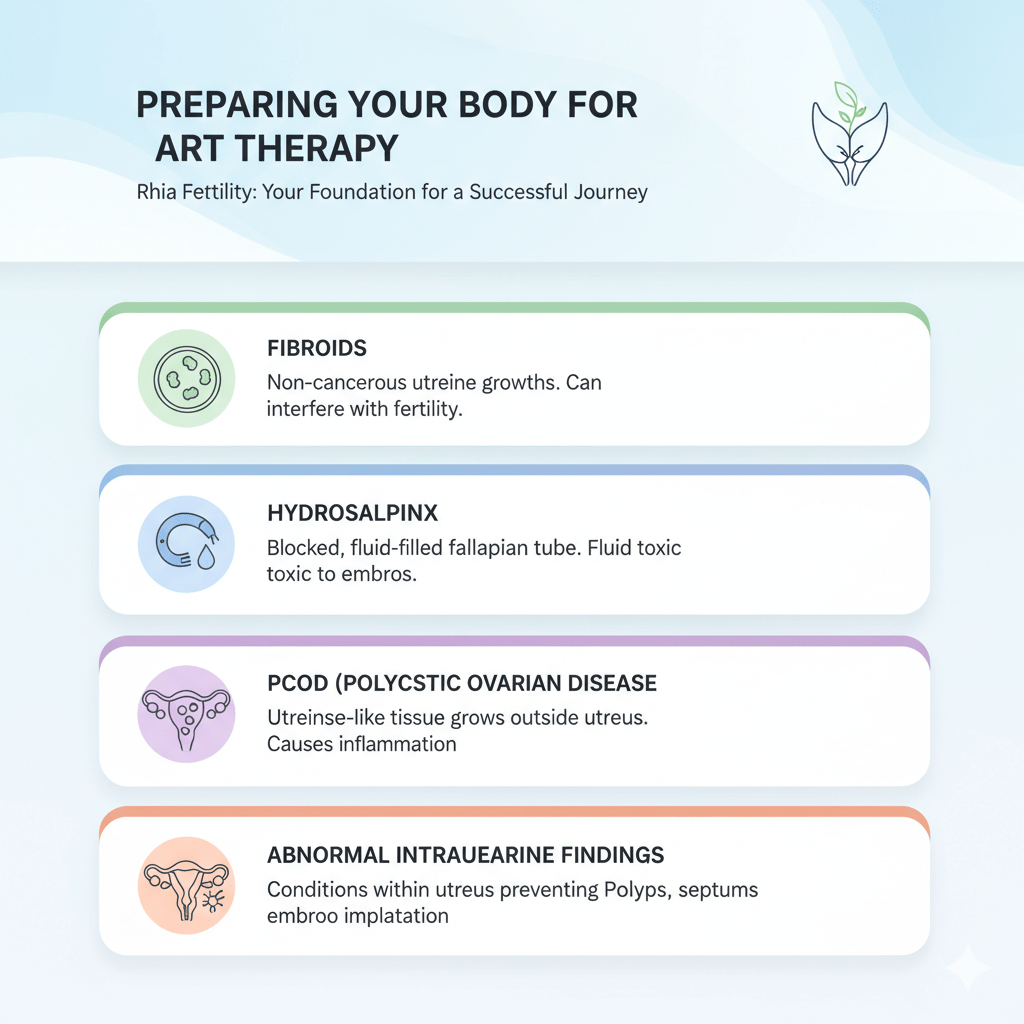
Fibroids What Are Fibroids? Fibroids are common, non-cancerous growths of the uterine muscle. While 99% of these tumors are benign, they can interfere with fertility. They are frequently found in women between 30 and 45 years of age, particularly those who have not had children.
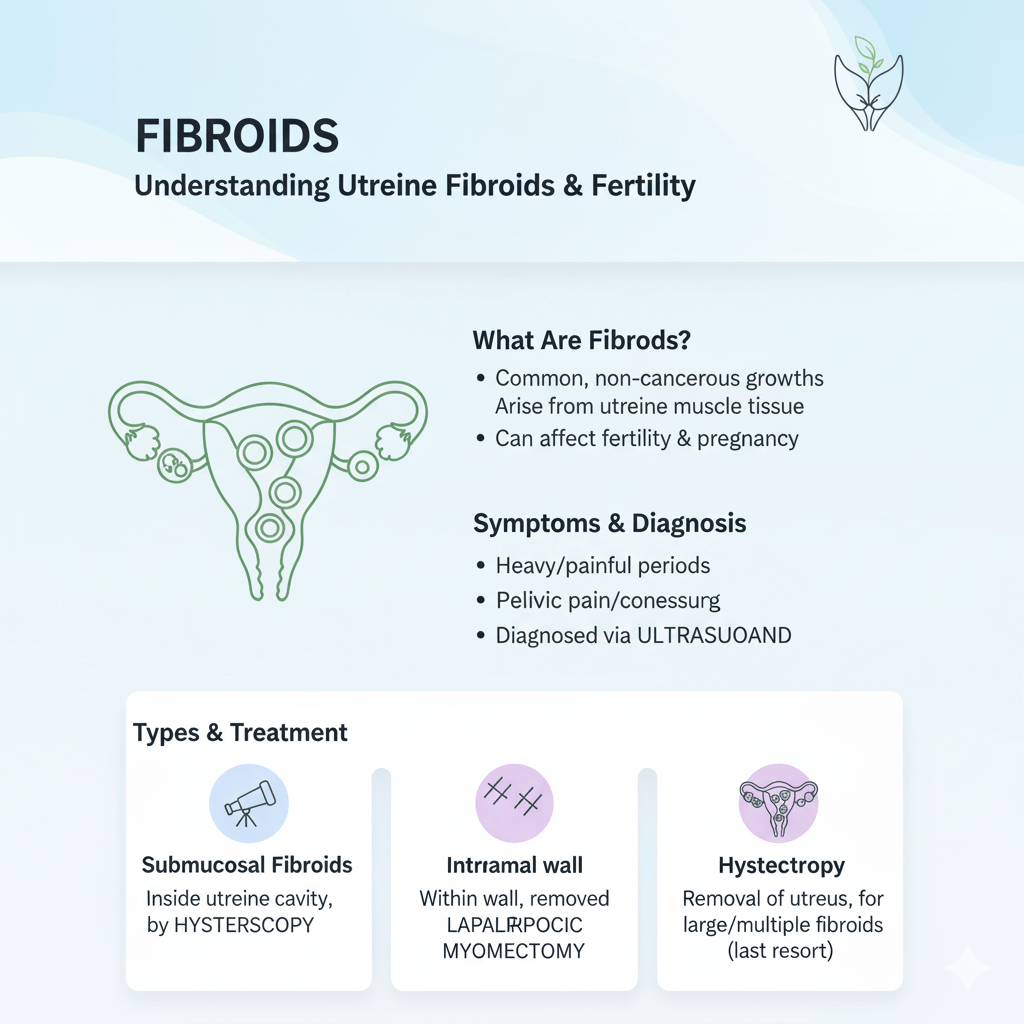
Symptoms & Diagnosis While about half of all fibroids are asymptomatic and discovered during a routine check-up, others can cause significant issues, including: Heavy or painful menstrual bleeding Pelvic pain or pressure Difficulty conceiving or recurrent miscarriages Fibroids are easily diagnosed using an ultrasound. The precise location of the fibroid is critical, as it determines the most effective treatment.
Types & Treatment Submucosal Fibroids: Located inside the uterine cavity, these fibroids are most often associated with infertility, miscarriages, and heavy bleeding. They are typically removed with a hysteroscopy, a minimally invasive procedure where a small telescope is used to remove the fibroid from inside the uterus.

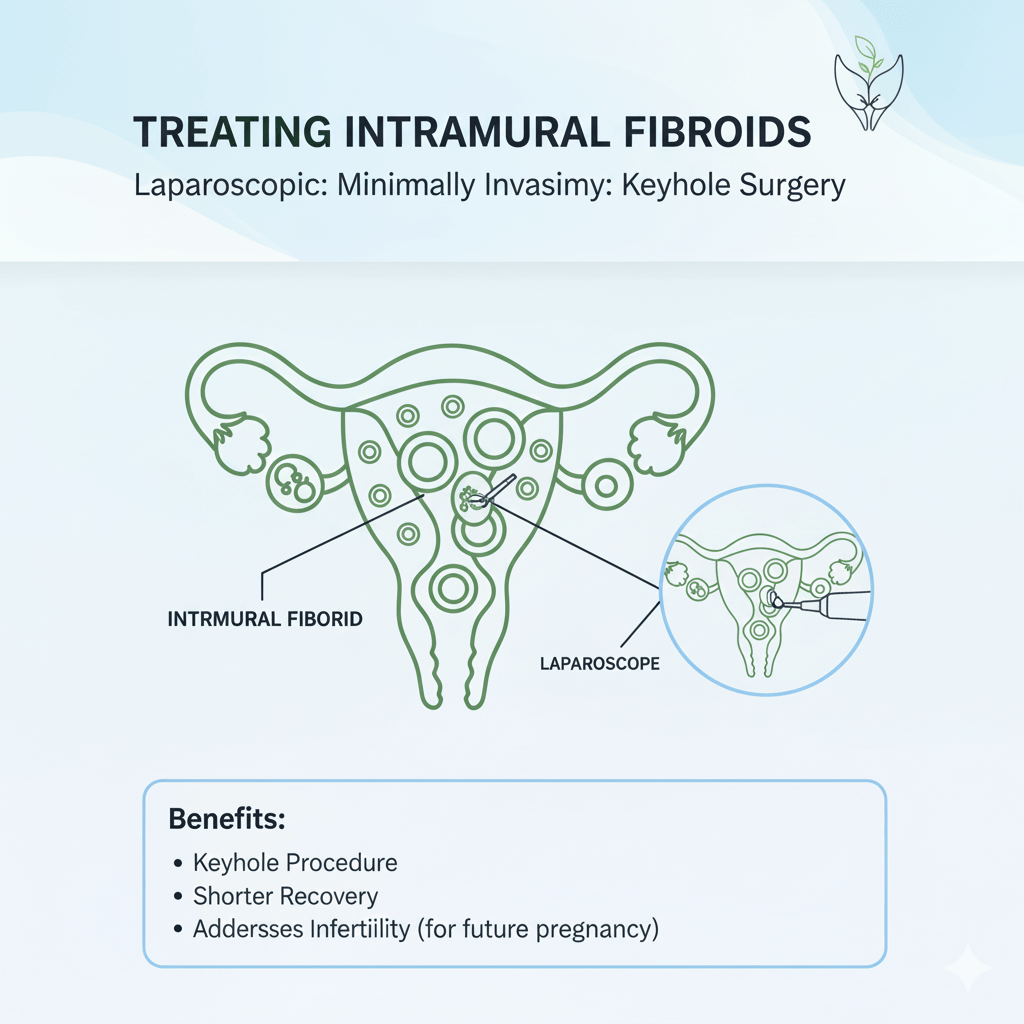
Intramural Fibroids: Located within the uterine wall, these may cause complications during pregnancy. If they are larger than 3-5 cm in an infertile woman, removal may be recommended. This is usually performed via laparoscopic myomectomy (keyhole surgery), which allows for a shorter recovery time.
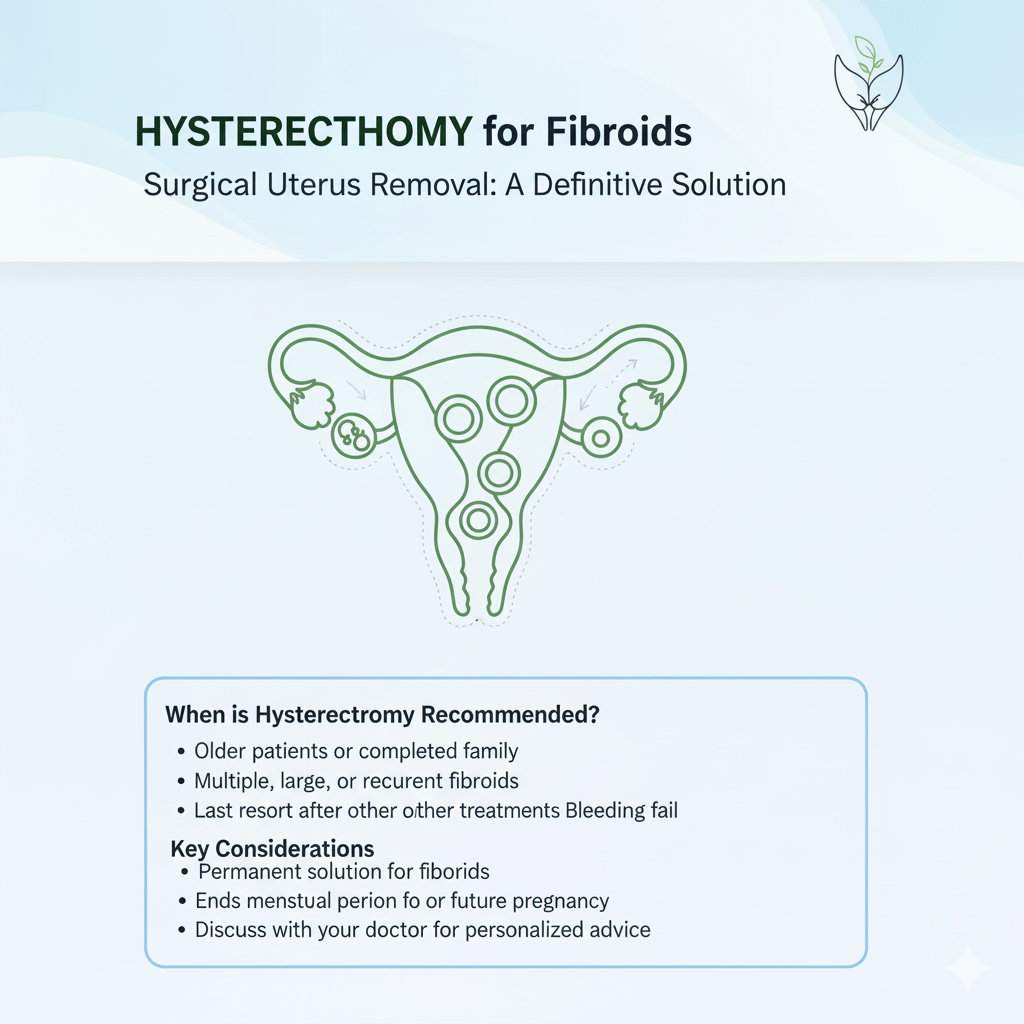
Hysterectomy: In older patients or those with multiple, large fibroids who have completed their family, a hysterectomy (removal of the uterus) may be the recommended option.
Hydrosalpinx What is Hydrosalpinx? Hydrosalpinx is a condition where a fallopian tube is blocked and filled with a watery fluid. This is often a result of a previous infection. The fluid can be toxic to embryos and can flow back into the uterus, significantly lowering the success rate of an IVF cycle.
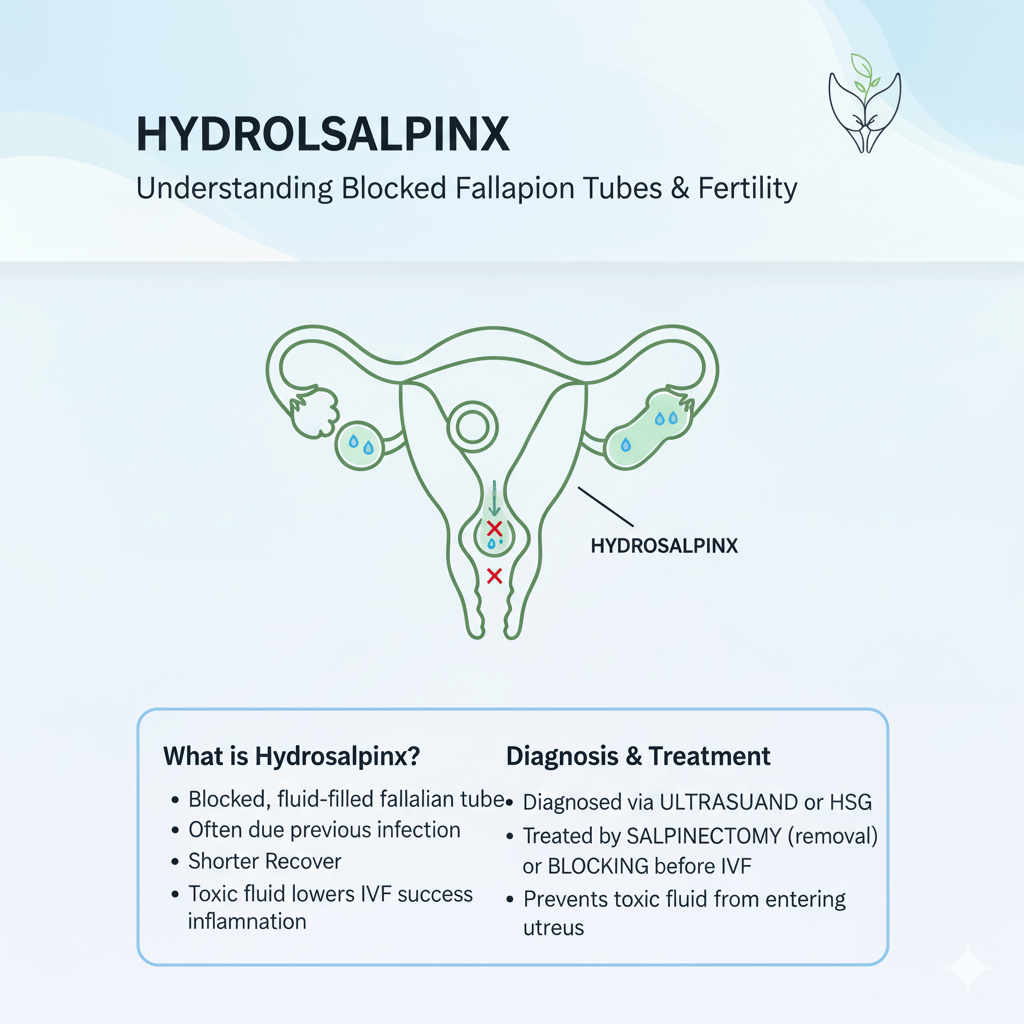
Diagnosis & Treatment Hydrosalpinx is diagnosed through a specialized ultrasound or a hysterosalpingogram (HSG), which uses a dye to visualize the fallopian tubes. To improve IVF success rates, it is crucial to either remove the affected fallopian tube (salpingectomy) or block it off from the uterus before starting treatment. This prevents the toxic fluid from compromising the uterine environment.
Polycystic Ovarian Disease (PCOD) What is PCOD? PCOD is a common hormonal disorder characterized by irregular periods, excess androgens (male hormones), and ovaries that may contain multiple small cysts. It is one of the most common causes of anovulation (lack of ovulation) in women.

Symptoms & Treatment Common symptoms include irregular or absent periods, acne, and weight gain. While PCOD can be challenging, it is highly manageable. Treatment focuses on regulating the menstrual cycle and stimulating ovulation using oral medications or injections. Our personalized approach ensures we find the right protocol to help you ovulate successfully and prepare for your ART cycle.
Endometriosis What is Endometriosis? Endometriosis is a condition where tissue similar to the lining of the uterus grows outside of it, such as on the ovaries, fallopian tubes, or other pelvic organs. This tissue can cause inflammation, pain, and the formation of cysts or adhesions, which can impact fertility.
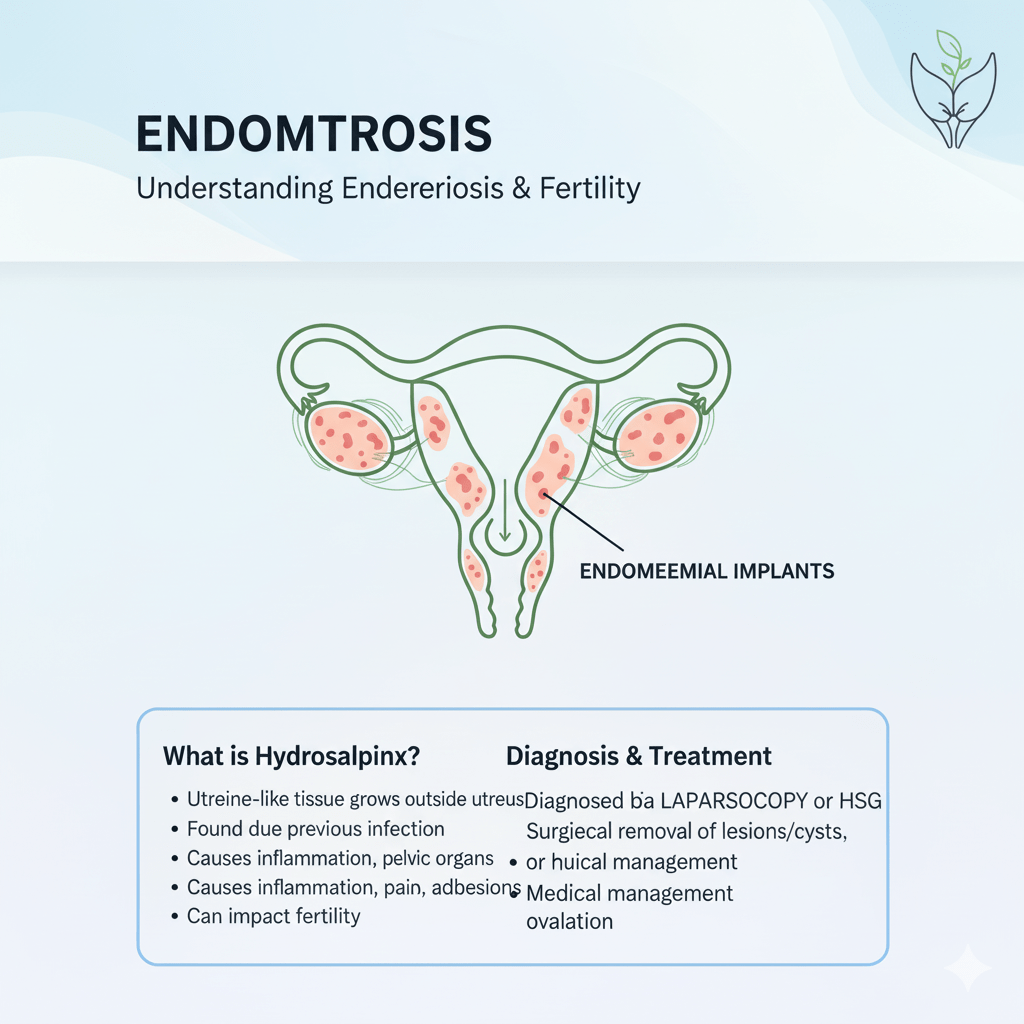
Diagnosis & Treatment Endometriosis is definitively diagnosed through laparoscopy, a surgical procedure that allows a doctor to view the pelvic organs directly. Depending on the severity, treatment may involve surgical removal of the endometrial lesions or cysts, or medical management to suppress the condition before beginning IVF. Addressing endometriosis is a critical step in improving your chances of a successful pregnancy.
Abnormal Intrauterine Findings What are Abnormal Intrauterine Findings? Sometimes, conditions within the uterus itself can prevent an embryo from implanting. These can include uterine polyps, intrauterine adhesions (scar tissue), or a uterine septum.
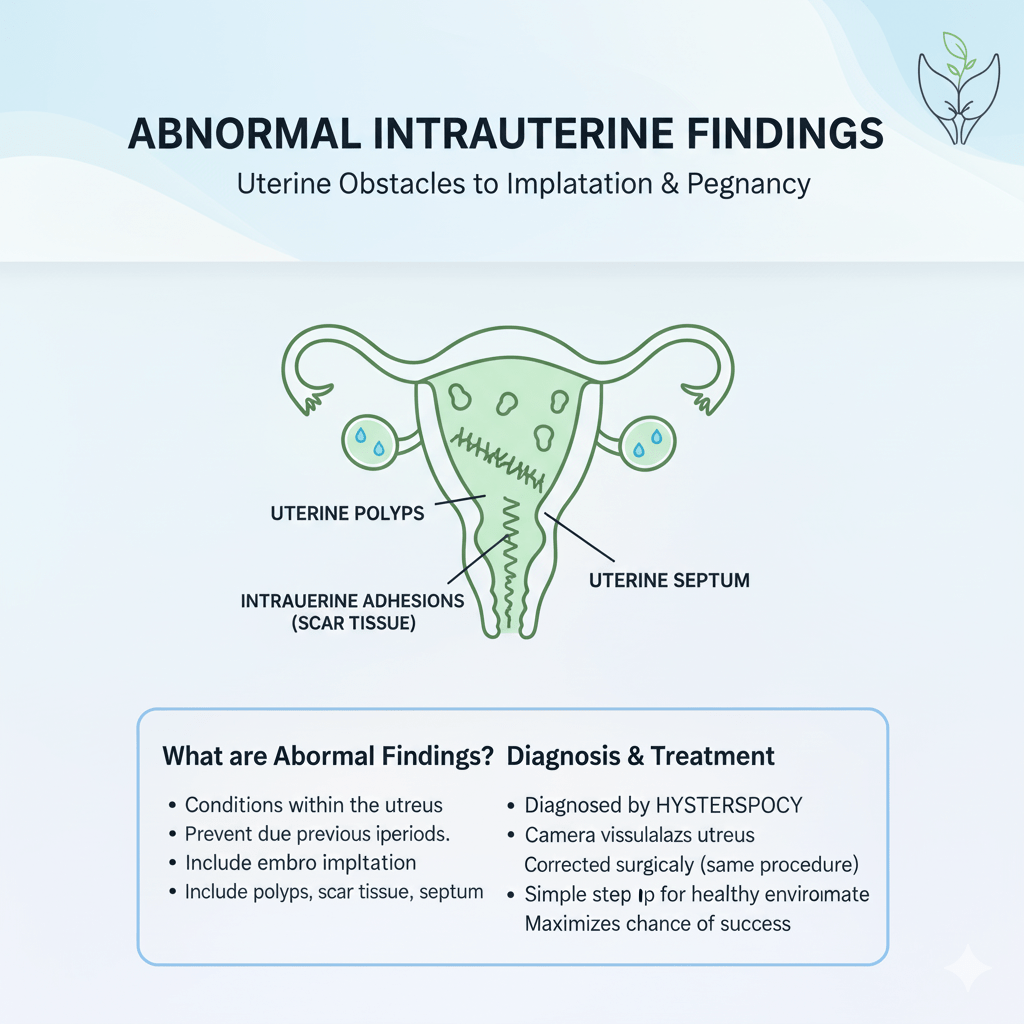
Diagnosis & Treatment These conditions are typically diagnosed with a hysteroscopy, a procedure that allows direct visualization of the uterine cavity. Most of these issues can be easily corrected during the same procedure, creating a healthy and welcoming environment for an embryo to implant and grow. Removing these obstacles is a simple yet vital step to maximize your chances of a successful pregnancy.onment for an embryo to implant and grow. Removing these obstacles is a simple yet vital step to maximize your chances of a successful pregnancy.
 Rhia Fertility and IVF Centre